Studying Medicine in Eastern Europe: A Smart Global Strategy
In a world where medical school admissions are highly competitive and expensive, Eastern Europe has become a strategic and reliable option for studying Medicine. What was once a less conventional option is now a popular, well-informed, and established choice, adopted by students from Africa, Asia, and Latin America, as well as a growing number of British students in search of reliability, quality, and strong value for money.
A recent BBC article highlights this shift clearly: many UK applicants, even with strong academic profiles, cannot secure places at home because of the limited number of seats and the rising cost of tuition and living expenses. As a result, they are turning to European medical schools that offer more availability, transparent entry criteria, and internationally recognised qualifications.
According to data from the BMJ (British Medical Journal), among approximately 13,000 doctors registered in the UK in 2022 who qualified abroad, more than half trained in Poland, Romania, Bulgaria and Czechia (former Czech Republic). This shows that these pathways are tested, recognised, and far from experimental.
Why study Medicine in Eastern Europe?
1. Greater Availability of Places
Medical schools across Central and Eastern Europe, including Czechia, Slovakia, Bulgaria, generally offer more places than the UK system.
These institutions:
-
Assess academic readiness, rather than relying on artificial caps
-
Provide clear and attainable admission criteria
-
Deliver English-taught medical programmes designed for international students
This makes them especially attractive for:
-
Students who narrowly missed a UK offer
-
Mature candidates and international applicants
-
Families seeking predictability and security in the admission process

2. Strong Educational Quality and Medical Tradition
Eastern Europe has a long-standing reputation for excellence in medical education. Many universities were founded over 100 years ago and are deeply integrated into national healthcare systems. Programmes typically follow European Union standards for course duration and clinical training, facilitating graduates’ progression toward medical licensing and registration in multiple countries, subject to local regulatory requirements.
Key strengths include:
-
Solid foundation in basic and clinical sciences
-
Early exposure to university hospitals
-
Rigorous assessment and strong academic discipline
Today, graduates from these programmes practice medicine in countries such as:
-
The UK and Ireland
-
Germany and Scandinavia
-
The Middle East and Africa
- Across Africa
From our direct professional experience, we have supported Angolan students who studied Medicine in Prague and Košike (Slovakia), where academic standards, clinical training, and professional outcomes consistently meet international expectations.
3. More Affordable Annual Tuition Fees
Cost is one of the most decisive factors.
Average annual l tuition fees:
-
Eastern Europe: €8,000 – €14,000
-
United Kingdom (international students): £38,000 – £50,000
Across a typical six-year medical degree, this represents substantial savings without compromising academic quality.
4. Lower Cost of Living
Living expenses are also significantly lower than in the UK or Ireland.
Average monthly student costs:
-
Accommodation: €300–€600
-
Food, transport, utilities: €200–€350
-
Estimated total: €600–€900 per month
Cities such as Prague, Bratislava, Sofia, and Pleven are safe, well-connected, and welcoming to international students, offering an excellent quality of life.
A Historical Perspective: Angolan Students in Eastern Europe
For many Angolan families, Eastern Europe is not unfamiliar destination. Following Angola’s independence, numerous students pursued higher education in countries such as Russia (former Soviet Union), Bulgaria, former Czechoslovakia, among others.
This led to the formation of generations of Angolan professionals, particularly doctors and engineers, educated in systems known for academic discipline and scientific rigour.
Today, this historical connection continues in a modern context, with English-taught programmes, international student support, and curricula aligned with global standards.
Highlight: Exclusive Medical Pathway from 2026

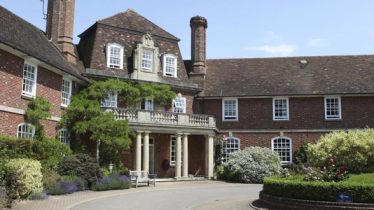
ONCAMPUS, one of the key partners of UK Student Solutions Ltd, and Pleven Medical University (Bulgaria) launched in January 2026 a Foundation + Medicine programme, offering a clear and cost effective-route into medical education. It is the ONCAMPUS Ireland Undergraduate Medical Foundation Programme, delivered on the Maynooth University campus near Dublin. This initial programme (1-year) programme provides guaranteed conditional progression to the six-year English-taught Medicine degree at Medical University Pleven in Bulgaria.
In other words, students who successfully complete the ONCAMPUS Ireland Foundation will progress directly to the Medicine programme in Pleven. Forty places per year are available through this pathway.
We work closely with the institution to support students at every stage, including:
-
Academic profile assessment
-
Course and pathway selection
-
Application and enrolment process
This pathway offers:
-
A preparatory year focused on medical sciences and academic readiness
-
Development of academic skills aligned with European standards
-
A structured and secure transition to medical school
UK Student Solutions is a trusted partner of this programme, supporting students from the Foundation year through progression to the full MD degree.

Pleven and Medical University – Pleven
Pleven is a historic city in northern Bulgaria, known for its peaceful environment, green spaces, and strong cultural tradition. Beyond its historical importance, it is now recognised as an important academic and scientific centre. Within this context stands Medical University – Pleven, a higher-education institution specialised in Medicine. It is one of the five medical universities in Bulgaria and holds international recognition for its health-science programmes, attracting students from Europe, Asia, and Africa.
In addition to a focused academic environment ideal for rigorous medical study, we highlight:
-
Competitive tuition fees
-
One of the lowest living costs in the European Union.
Students also have the opportunity to learn basic Bulgarian, which will be particularly valuable during clinical placements involving doctor–patient interaction.
Final Considerations: A Smart Global Medical Strategy
 Studying Medicine in Eastern Europe is not a second choice. It is a strategic, well-informed decision embraced by international and British students alike.
It offers:
-
Greater access to medical education
-
High academic standards
-
Financial sustainability
-
International recognition and mobility
For students willing to think globally, Eastern Europe provides real opportunity, not shortcuts.
📩 Want to learn moreInterested in Learning More?
If you would like to:
-
Explore the ONCAMPUS Medicine pathways in Europe
- Receive personalised guidance based on your academic profile and future plans
👉 Contact UK Student Solutions to discuss these opportunities with clarity, confidence, and expert support.